Development
-
Second DoE tool release – Mixtures with Process Variables
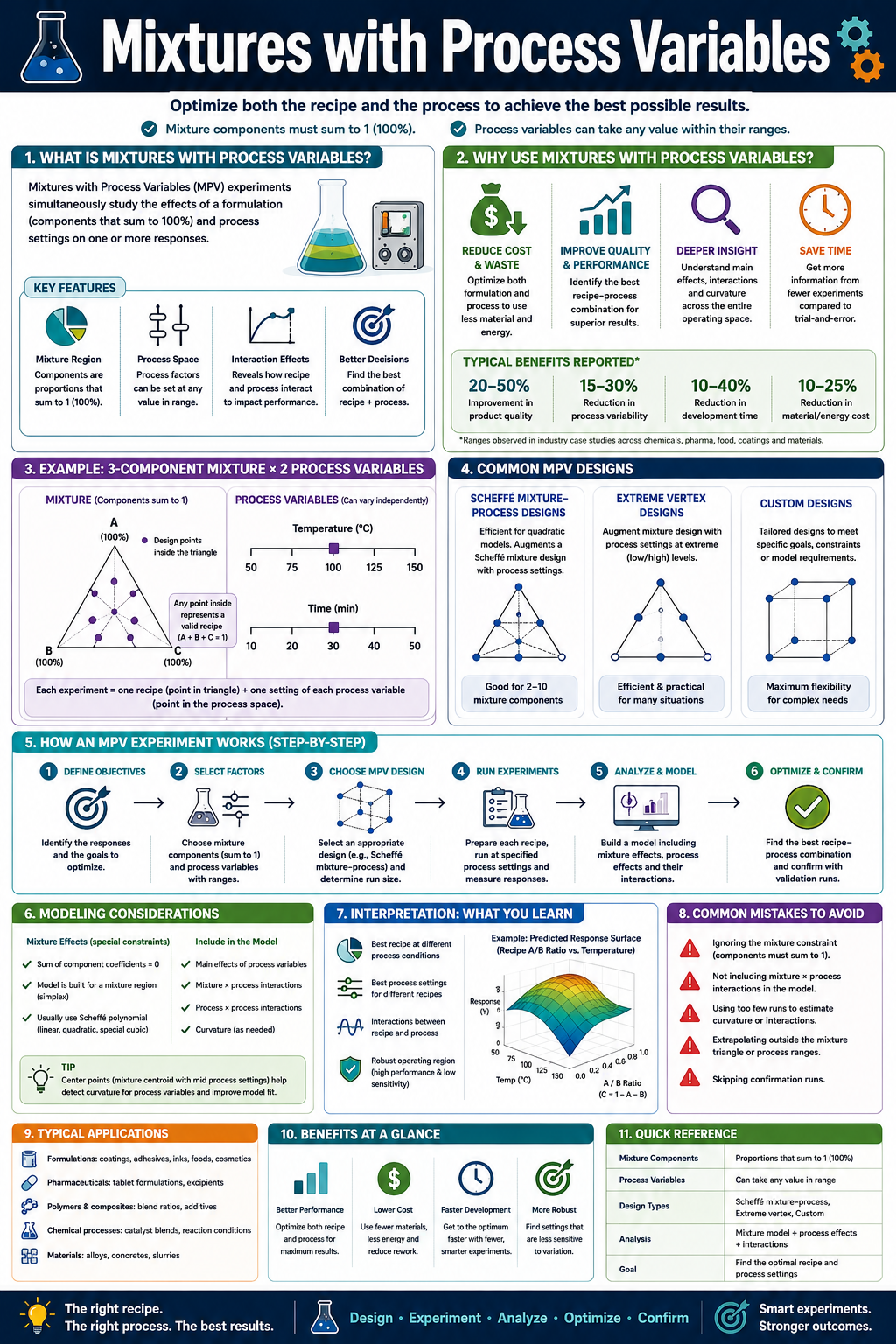
Following the release of our Mixtures DoE Tool, Product Development Engineers Ltd has launched its second subscriber tool — an extension that combines mixture design with process variable optimisation. Subscribers can access the tool here. Where the Mixtures tool focuses on ingredient proportions alone, this tool is for situations where the formulation interacts with how…
-
Our first tool release – Mixtures DoE tool!

Today, we are excited to announce the release of our first subscriber tool, enabling you to carry out Mixtures DoE-type work at a tiny fraction of the cost of more established tools. We shall follow this up with a whole suite of DoE-type analysis tools over the coming weeks and months. You can get access…
-
Engineering support at your fingertips

When engineering teams are under pressure, the right support makes the difference Across manufacturing and engineering businesses worldwide, internal engineering teams are under sustained pressure. Projects are becoming more complex, regulatory expectations continue to increase, and experienced engineers are difficult to recruit and retain. The issue is rarely a lack of work. More often, it…
-
Snee & Marquardt (1976): Screening Designs for Mixture Experiments

-
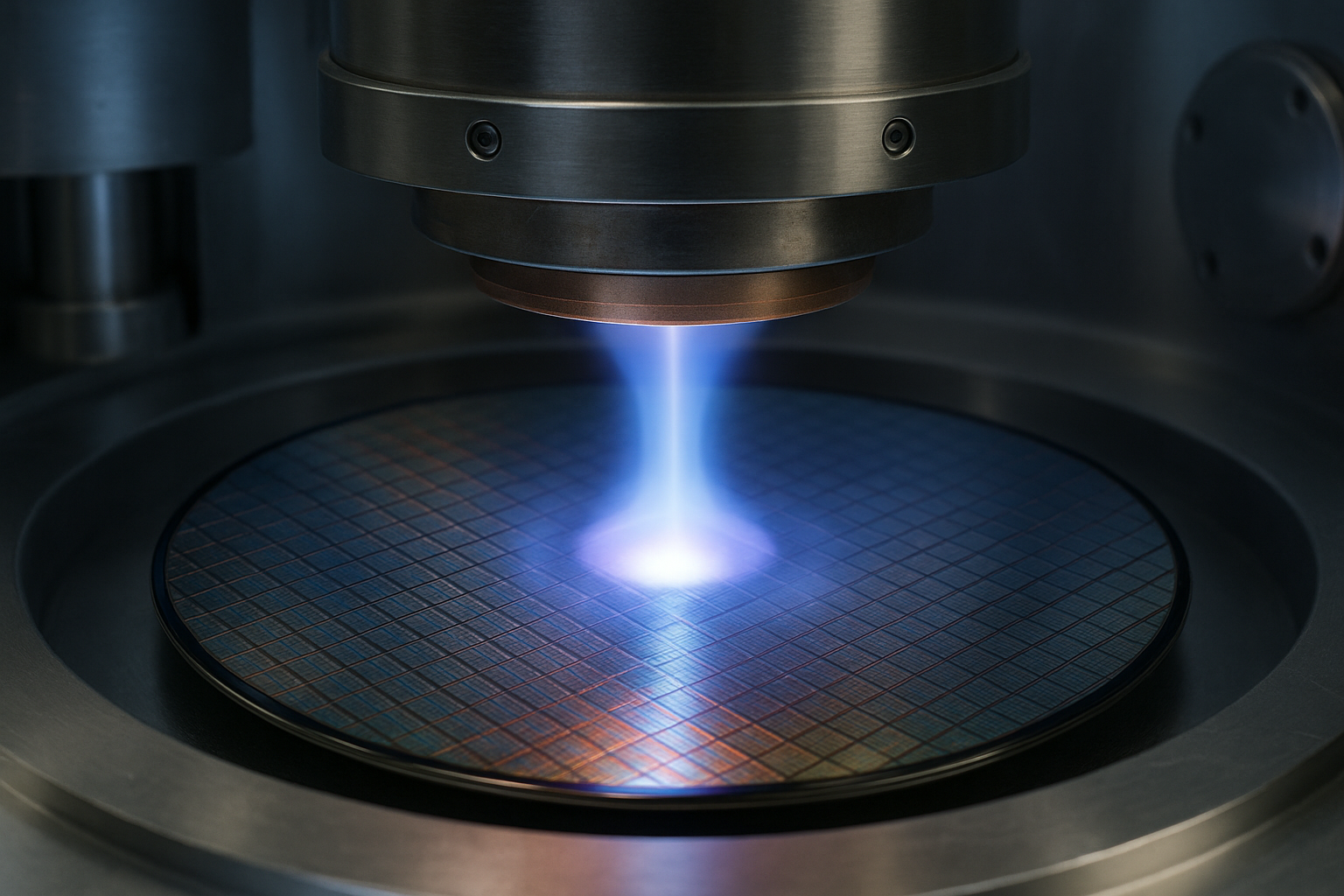
Etch Rate Experiment (Myers & Montgomery, 2002)
-
How Machine Learning is Reinventing CFD

-
Using Mixture–Process Variable Experiments: A Rocket Propellant Case Study

-
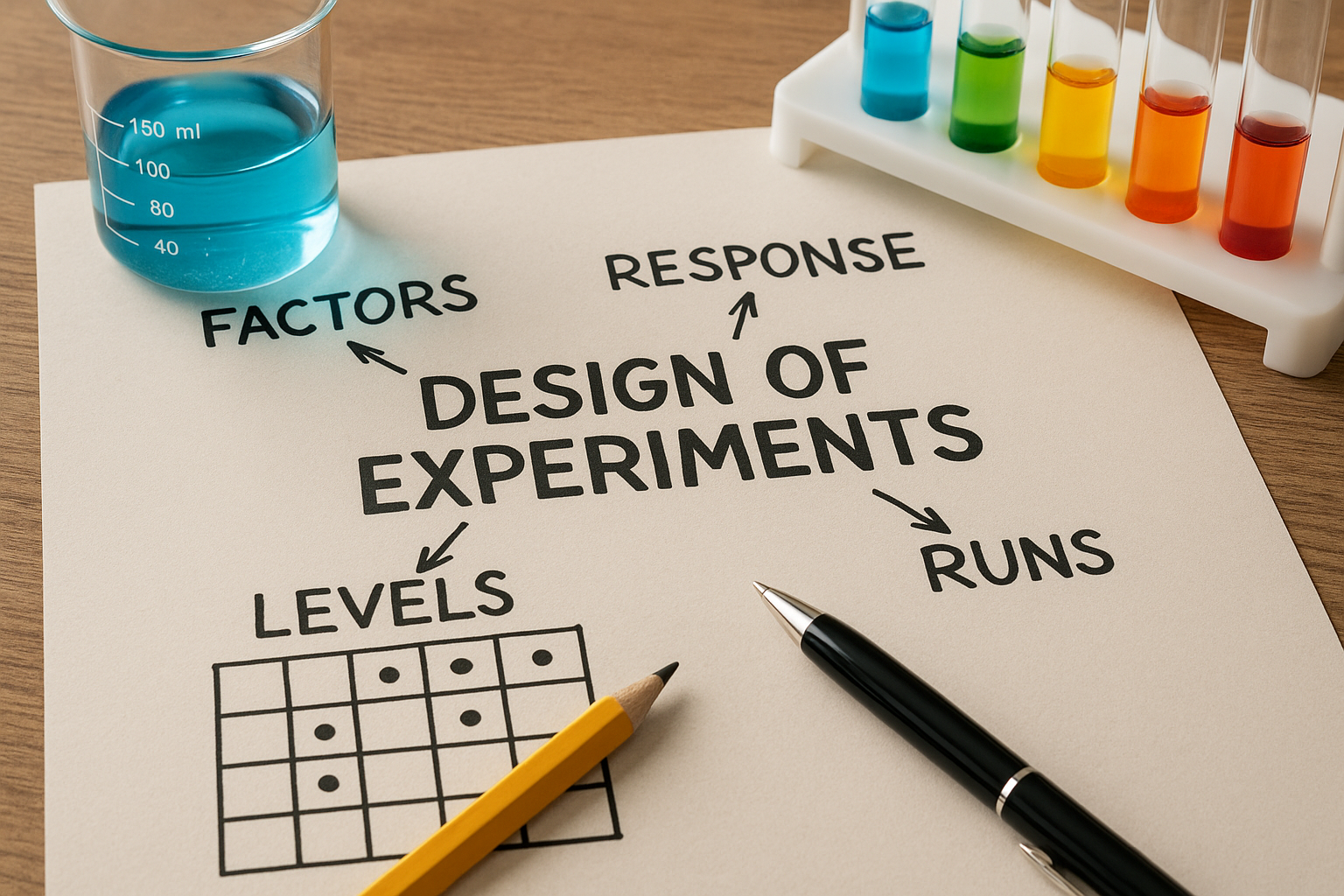
Design of Experiments explained
-
Box-Behnken Designs explained
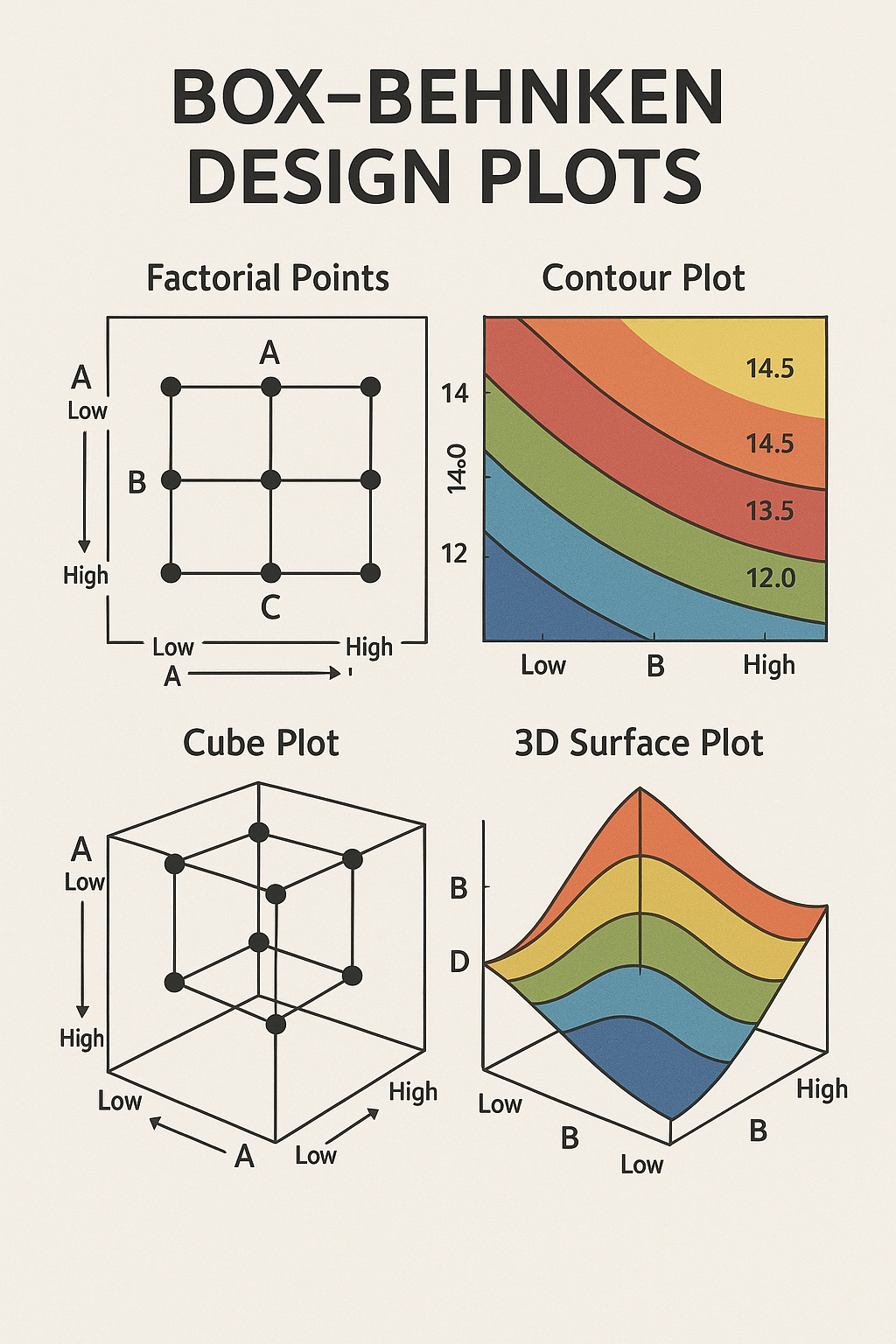
Discover how Box-Behnken designs streamline experimental planning by minimising runs while capturing key interactions and quadratic effects. Ideal for optimising complex systems like PEM fuel cells, this method is essential for efficient and safe response surface modelling in engineering and scientific research.
-
Famous Taguchi Experiment 1

Explore how to use the Taguchi method through a real-world case study from RCA’s 1960s TV tuner project. Learn about control factors, orthogonal arrays, and signal-to-noise ratios in robust product design. A practical guide for engineers and developers focused on quality improvement and variation reduction.