Development


  • Engineering support at your fingertips

    Engineering support at your fingertips

    When engineering teams are under pressure, the right support makes the difference Across manufacturing and engineering businesses worldwide, internal engineering teams are under sustained pressure. Projects are becoming more complex, regulatory expectations continue to increase, and experienced engineers are difficult to recruit and retain. The issue is rarely a lack of work. More often, it…


  • Snee & Marquardt (1976): Screening Designs for Mixture Experiments
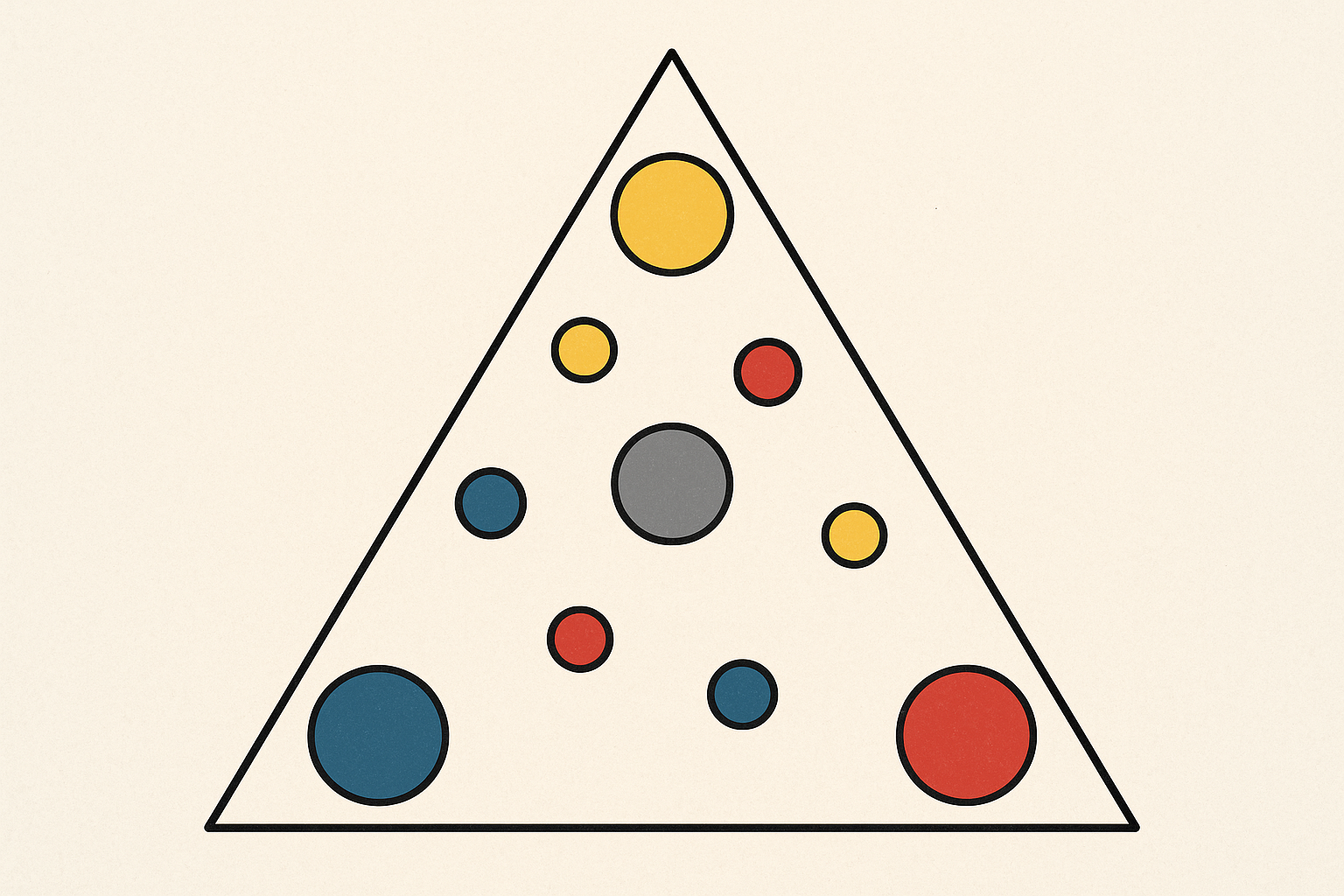
    Snee & Marquardt (1976): Screening Designs for Mixture Experiments

    Snee and Marquardt’s 1976 experiment introduced an efficient screening design for mixture experiments, reducing complexity by identifying active components and simplifying optimisation.


  • Etch Rate Experiment (Myers & Montgomery, 2002)
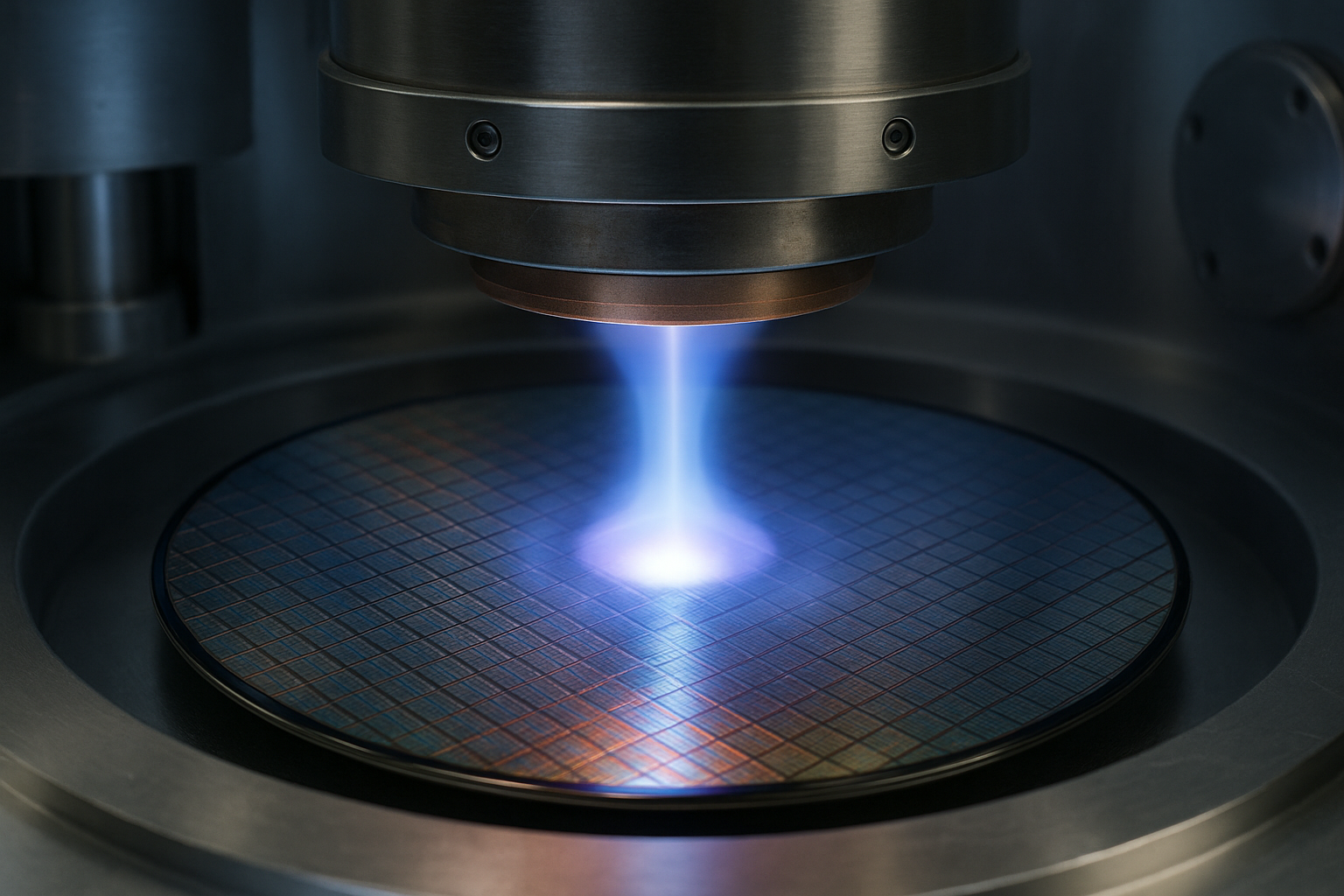
    Etch Rate Experiment (Myers & Montgomery, 2002)

    This case study explores the Myers and Montgomery (2002) etch rate experiment using response surface methodology (RSM) to optimise plasma etching in semiconductor manufacturing. A central composite design is used to model the effect of RF power and chamber pressure on etch rate.


  • How Machine Learning is Reinventing CFD

    How Machine Learning is Reinventing CFD

    Discover how data-driven fluid mechanics and machine learning are transforming CFD analysis, enabling faster, more accurate predictions for real-world applications like aerodynamics, wind energy, and environmental dispersion modelling.


  • Using Mixture–Process Variable Experiments: A Rocket Propellant Case Study

    Using Mixture–Process Variable Experiments: A Rocket Propellant Case Study

    Learn how mixture–process variable experiments can optimise formulations and processing conditions in real-world engineering. This case study on rocket propellants shows how combining mixture design with process variables improves product performance and scale-up reliability.


  • Design of Experiments explained

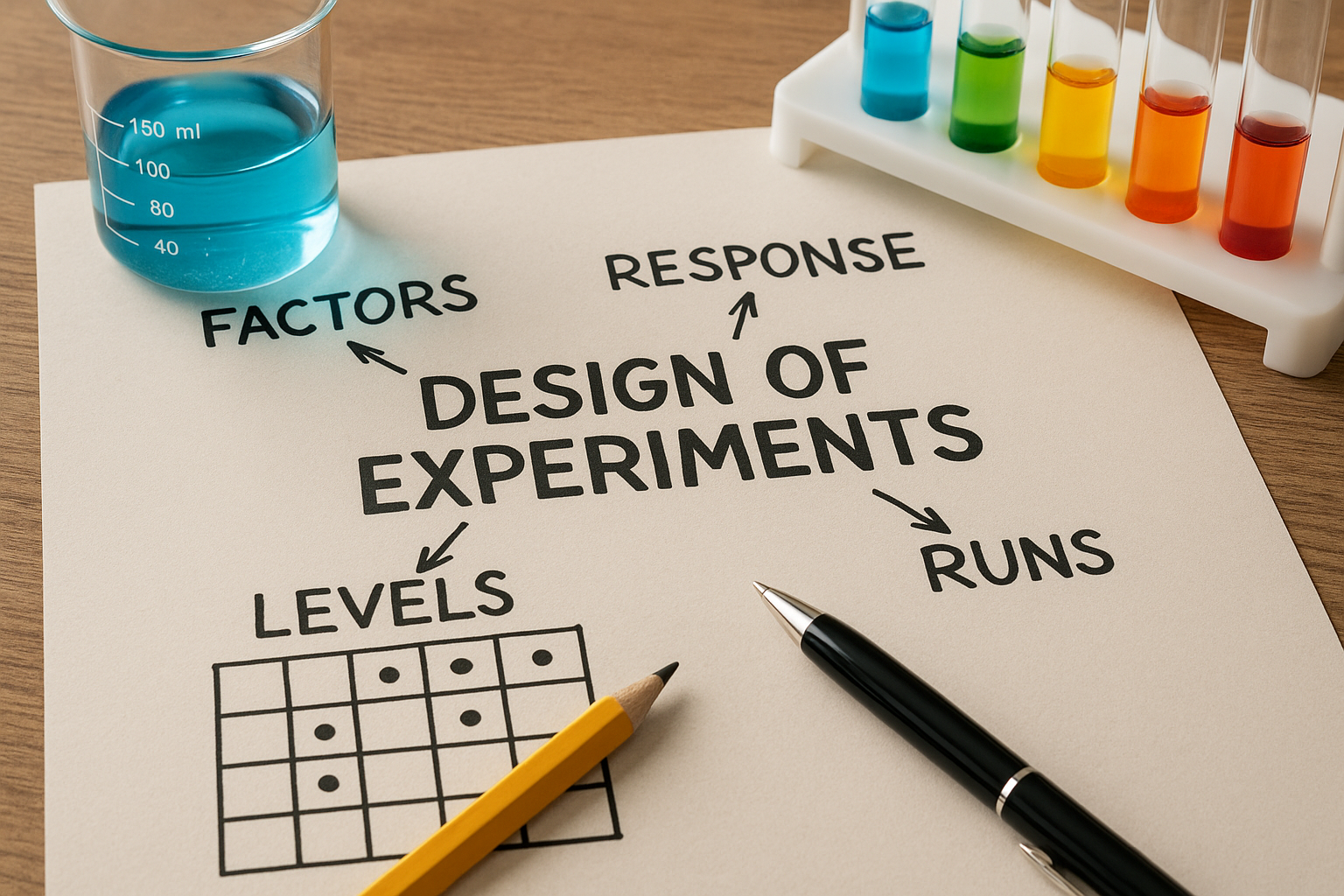
    Design of Experiments explained

    Design of Experiments (DoE) is a powerful method for improving products and processes through structured testing. This post explains what DoE is, who uses it, and how to apply full factorial, Taguchi, RSM, and mixture designs — including tools, examples, and visual insights.


  • Box-Behnken Designs explained

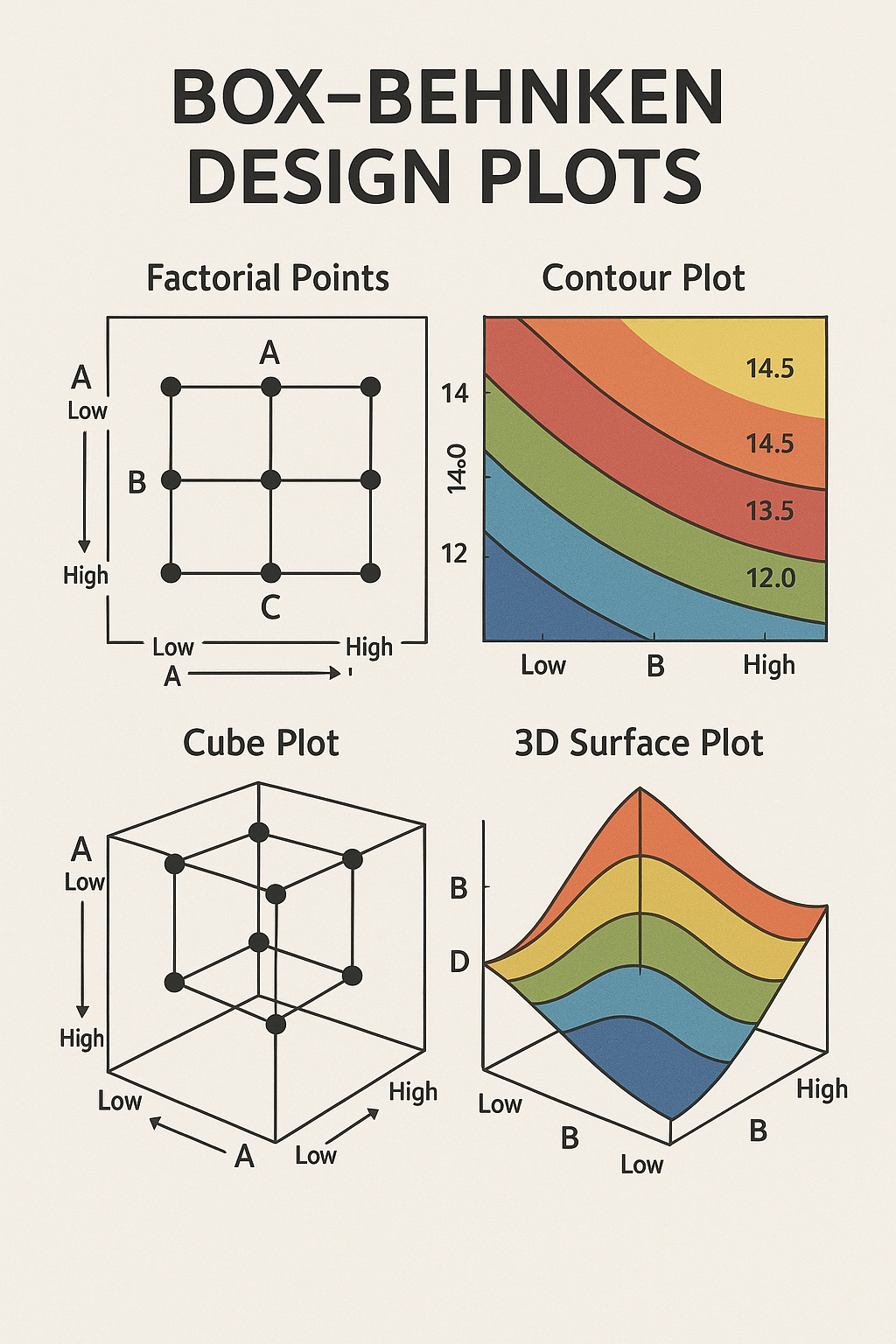
    Box-Behnken Designs explained

    Discover how Box-Behnken designs streamline experimental planning by minimising runs while capturing key interactions and quadratic effects. Ideal for optimising complex systems like PEM fuel cells, this method is essential for efficient and safe response surface modelling in engineering and scientific research.


  • Famous Taguchi Experiment 1

    Famous Taguchi Experiment 1

    Explore how to use the Taguchi method through a real-world case study from RCA’s 1960s TV tuner project. Learn about control factors, orthogonal arrays, and signal-to-noise ratios in robust product design. A practical guide for engineers and developers focused on quality improvement and variation reduction.


  • Central Composite Designs explained

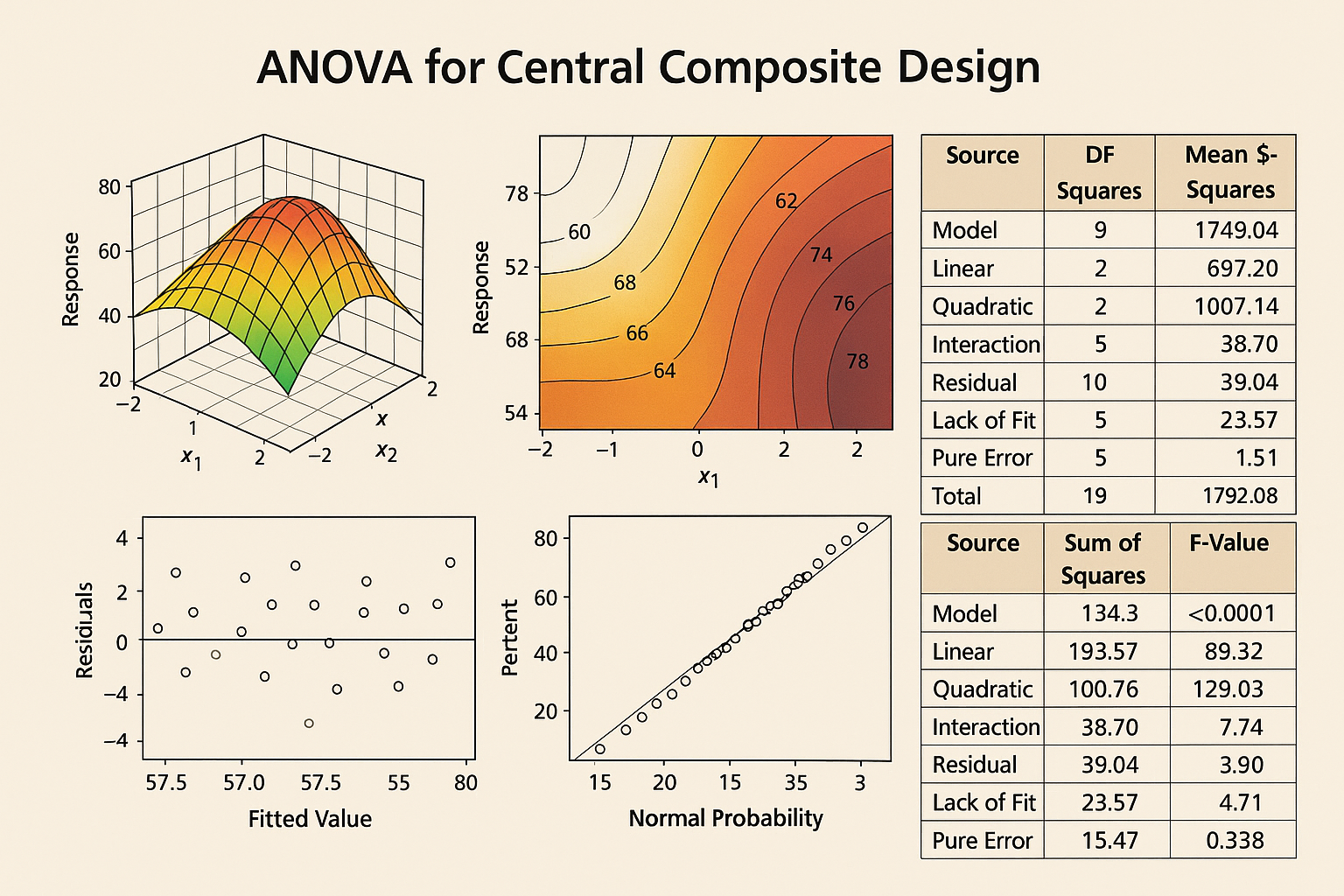
    Central Composite Designs explained

    Learn how Central Composite Designs (CCDs) enhance product development through efficient optimisation, predictive modelling, and engineering-focused experimentation. Discover real-world applications and how Product Development Engineers Ltd can help you design, analyse, and apply CCDs effectively.


  • Design Success with DoE

    Product Development Engineers Ltd When developing a new product, guesswork is costly. At Product Development Engineers Ltd, we help businesses around the world innovate smarter using advanced Design of Experiments (DoE) techniques. 🔍 What’s covered in this video: 🧠 Why DoE matters: Design of Experiments accelerates product development by reducing trial-and-error. It brings structure, speed,…