DoE
-
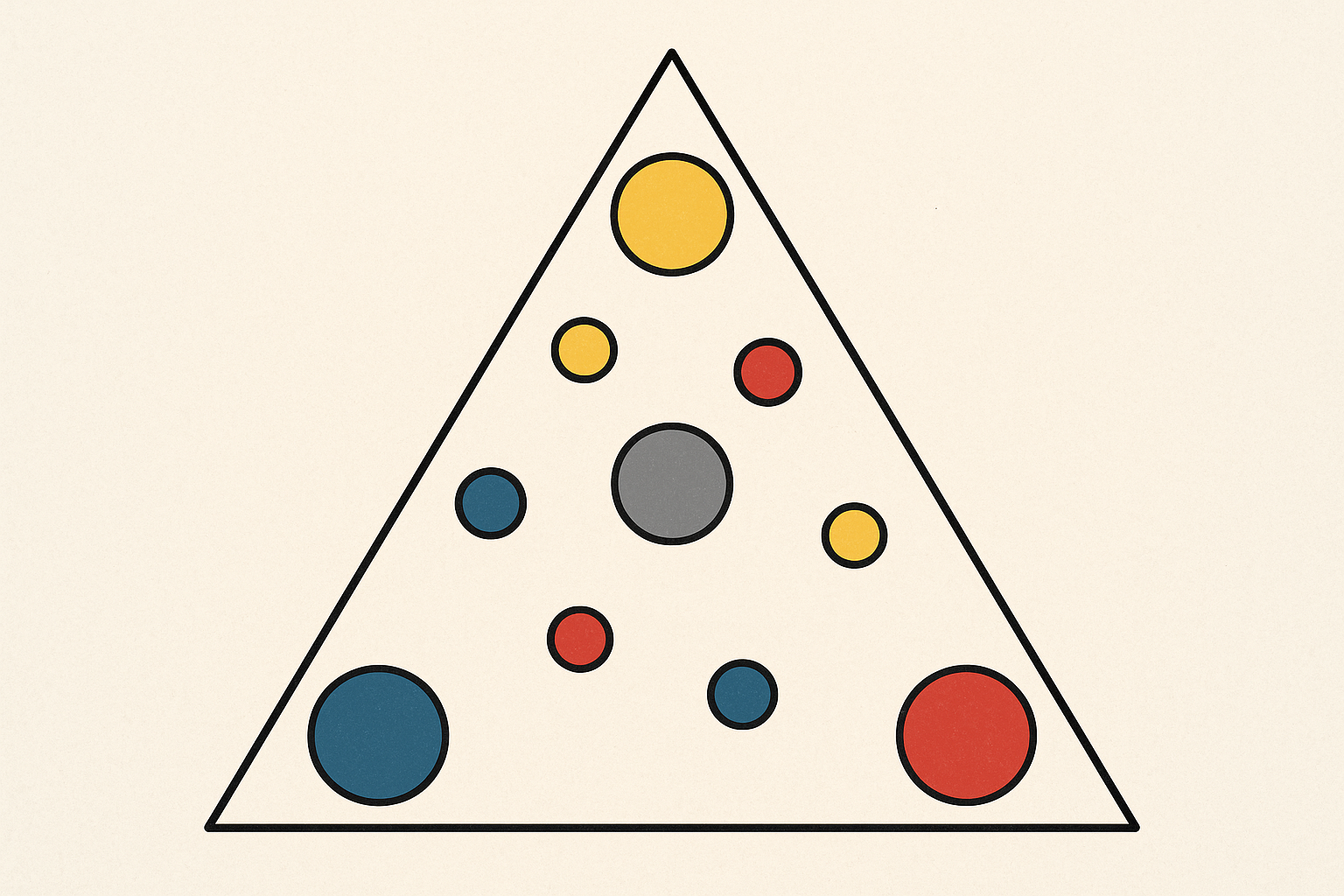
Snee & Marquardt (1976): Screening Designs for Mixture Experiments
-
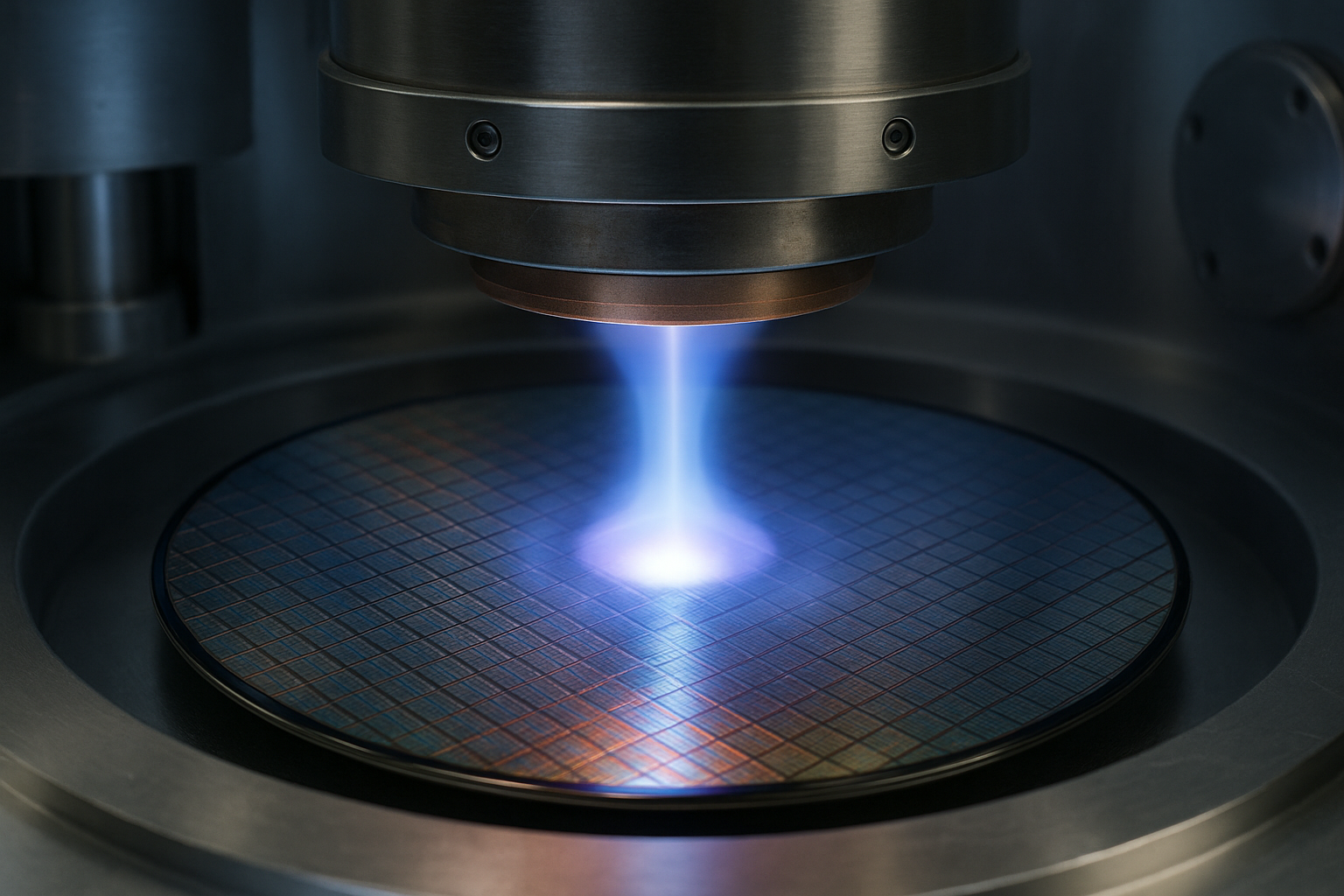
Etch Rate Experiment (Myers & Montgomery, 2002)
-
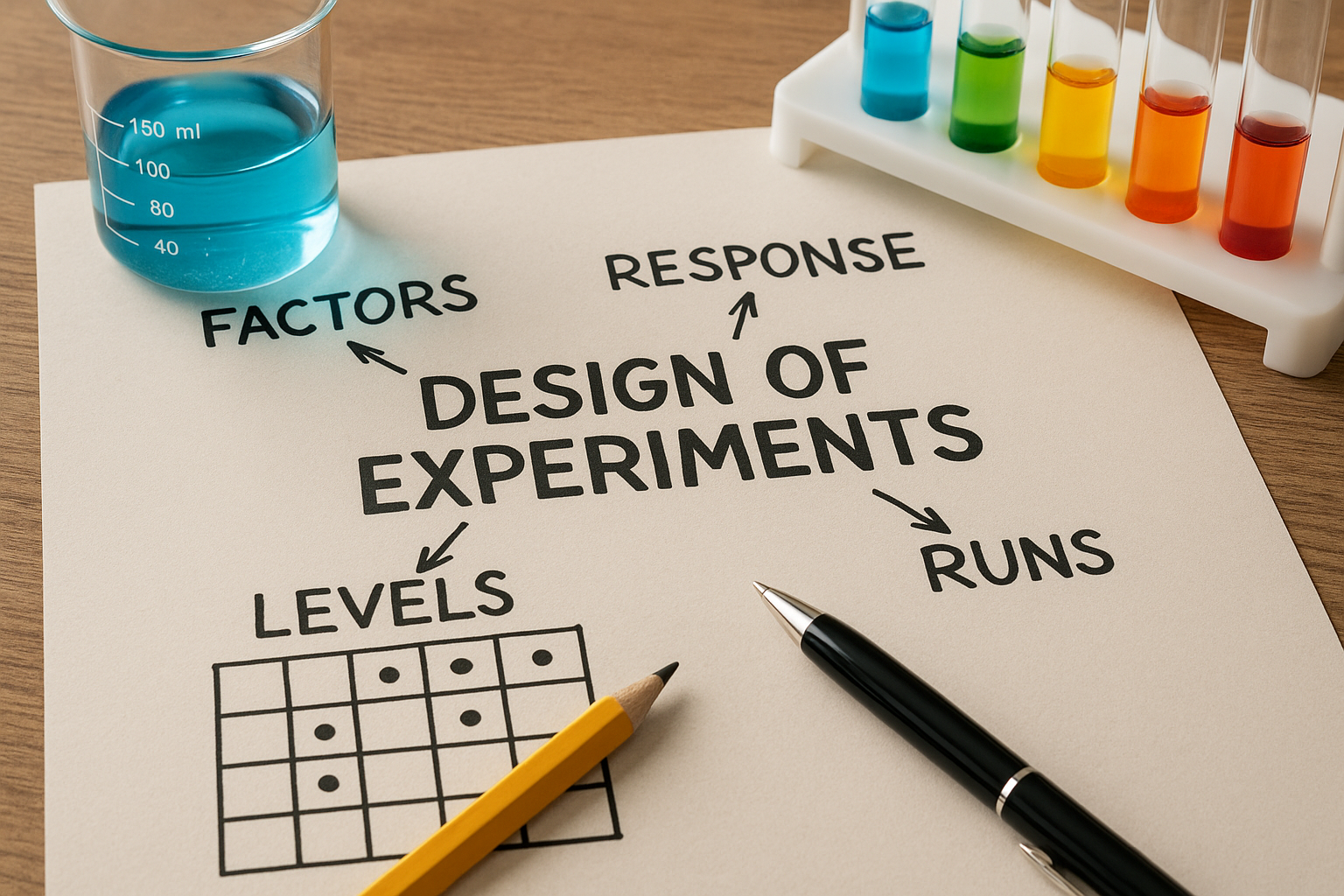
Design of Experiments explained
-
Box-Behnken Designs explained
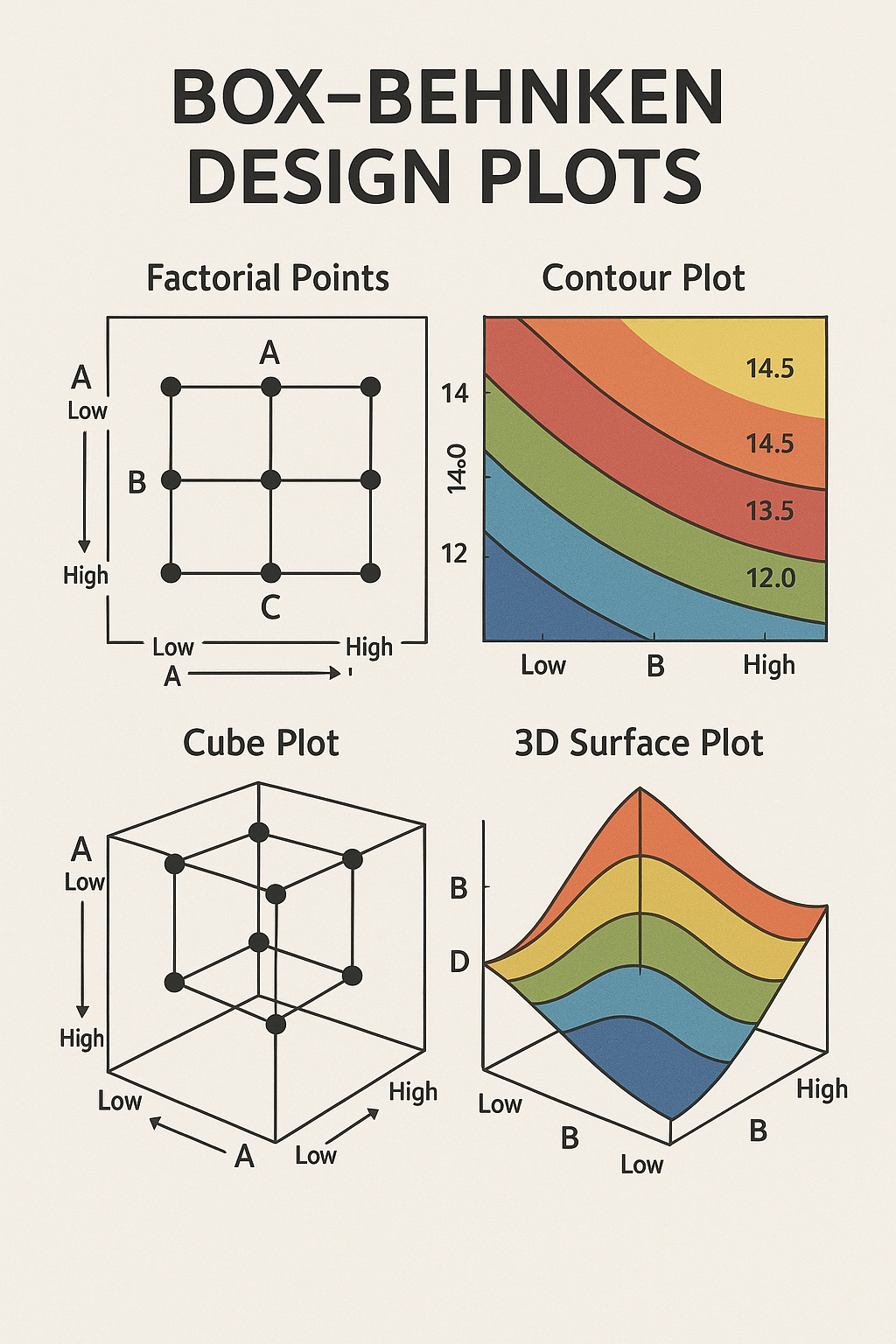
Discover how Box-Behnken designs streamline experimental planning by minimising runs while capturing key interactions and quadratic effects. Ideal for optimising complex systems like PEM fuel cells, this method is essential for efficient and safe response surface modelling in engineering and scientific research.
-
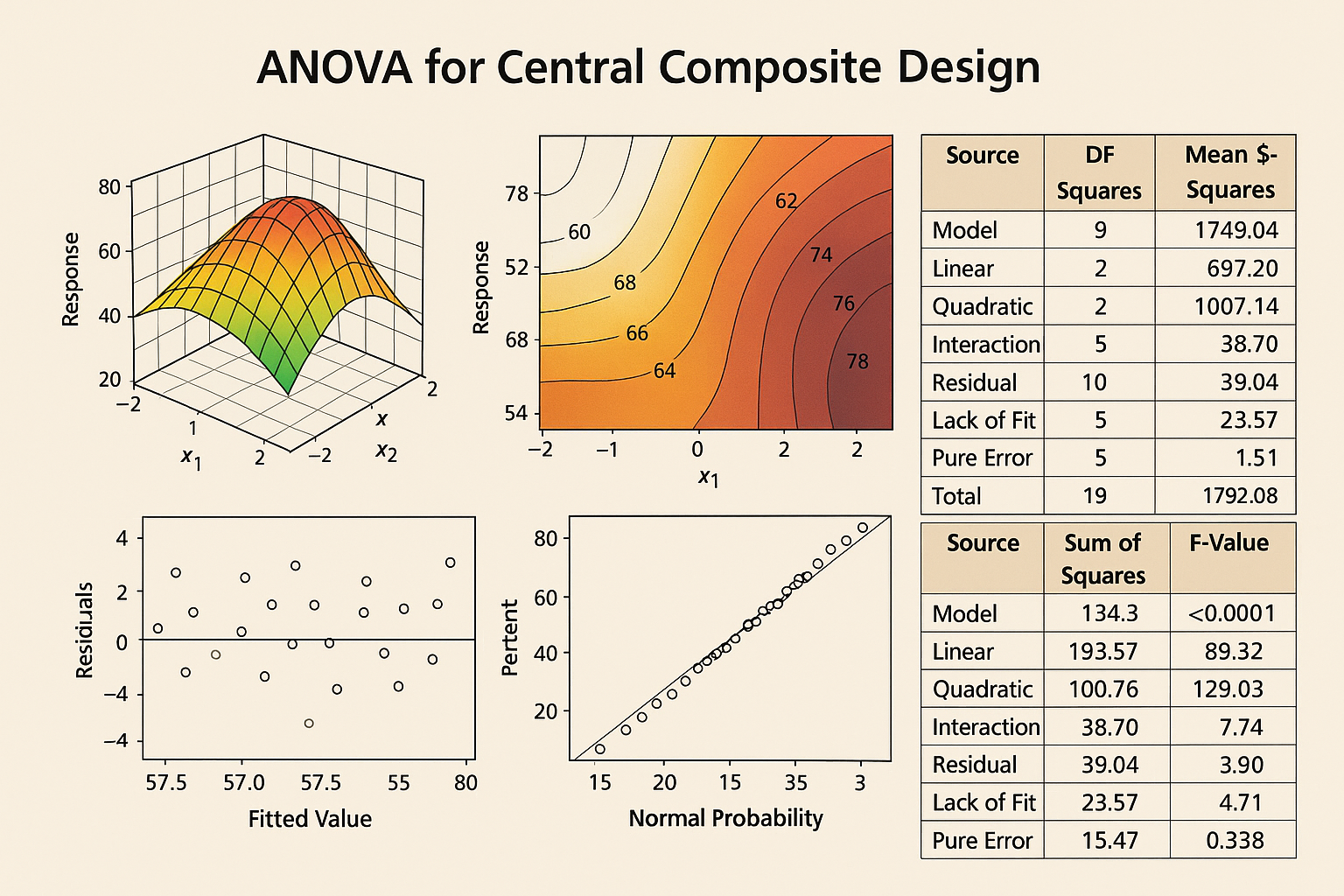
Central Composite Designs explained
-
Development Engineering support for LMICs and Emerging Economies

🎯 Smarter engineering starts with smarter experiments. We help teams in LMICs and emerging economies get the most out of product development — fast. 🔬 Our focus: Design of Experiments (DoE) that accelerates innovation while reducing cost and risk.Whether you need screening, optimisation, mixture, or reliability-linked designs, we’ve got your back. And we don’t stop…
-
Design Success with DoE
Product Development Engineers Ltd When developing a new product, guesswork is costly. At Product Development Engineers Ltd, we help businesses around the world innovate smarter using advanced Design of Experiments (DoE) techniques. 🔍 What’s covered in this video: 🧠 Why DoE matters: Design of Experiments accelerates product development by reducing trial-and-error. It brings structure, speed,…
-
Constrained Regions Mixture Design Test Plan
-
Cornell’s famous fish patty experiment
Cornell’s famous fish patty experiment refers to an experiment carried out by John A. Cornell, a leading figure in the development of mixture designs, a branch of Design of Experiments (DOE). The experiment has become well-known as an illustration of mixture designs in food product development. Background of the Experiment John A. Cornell used this fish patty experiment…
-
What is a Taguchi experiment?
A Taguchi experiment is a method within the Design of Experiments (DOE) framework, developed by the Japanese engineer and statistician Genichi Taguchi. It is a structured, data-driven approach aimed at improving the quality of manufactured goods, optimising processes, and making products robust against variability. The Taguchi method is distinctive in its use of orthogonal arrays, its focus on…