Mixtures
-
Second DoE tool release – Mixtures with Process Variables
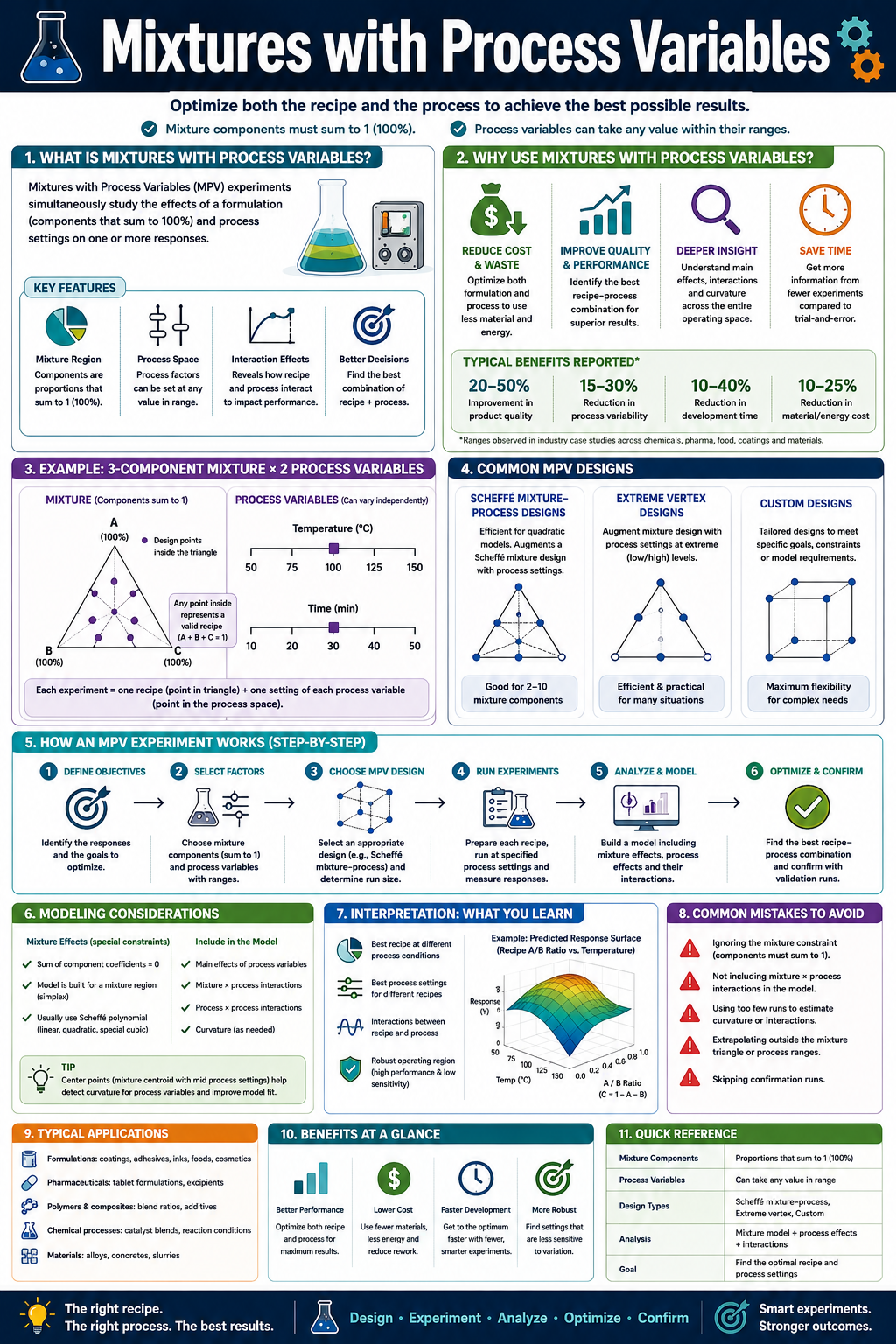
Following the release of our Mixtures DoE Tool, Product Development Engineers Ltd has launched its second subscriber tool — an extension that combines mixture design with process variable optimisation. Subscribers can access the tool here. Where the Mixtures tool focuses on ingredient proportions alone, this tool is for situations where the formulation interacts with how…
-
Our first tool release – Mixtures DoE tool!

Today, we are excited to announce the release of our first subscriber tool, enabling you to carry out Mixtures DoE-type work at a tiny fraction of the cost of more established tools. We shall follow this up with a whole suite of DoE-type analysis tools over the coming weeks and months. You can get access…
-
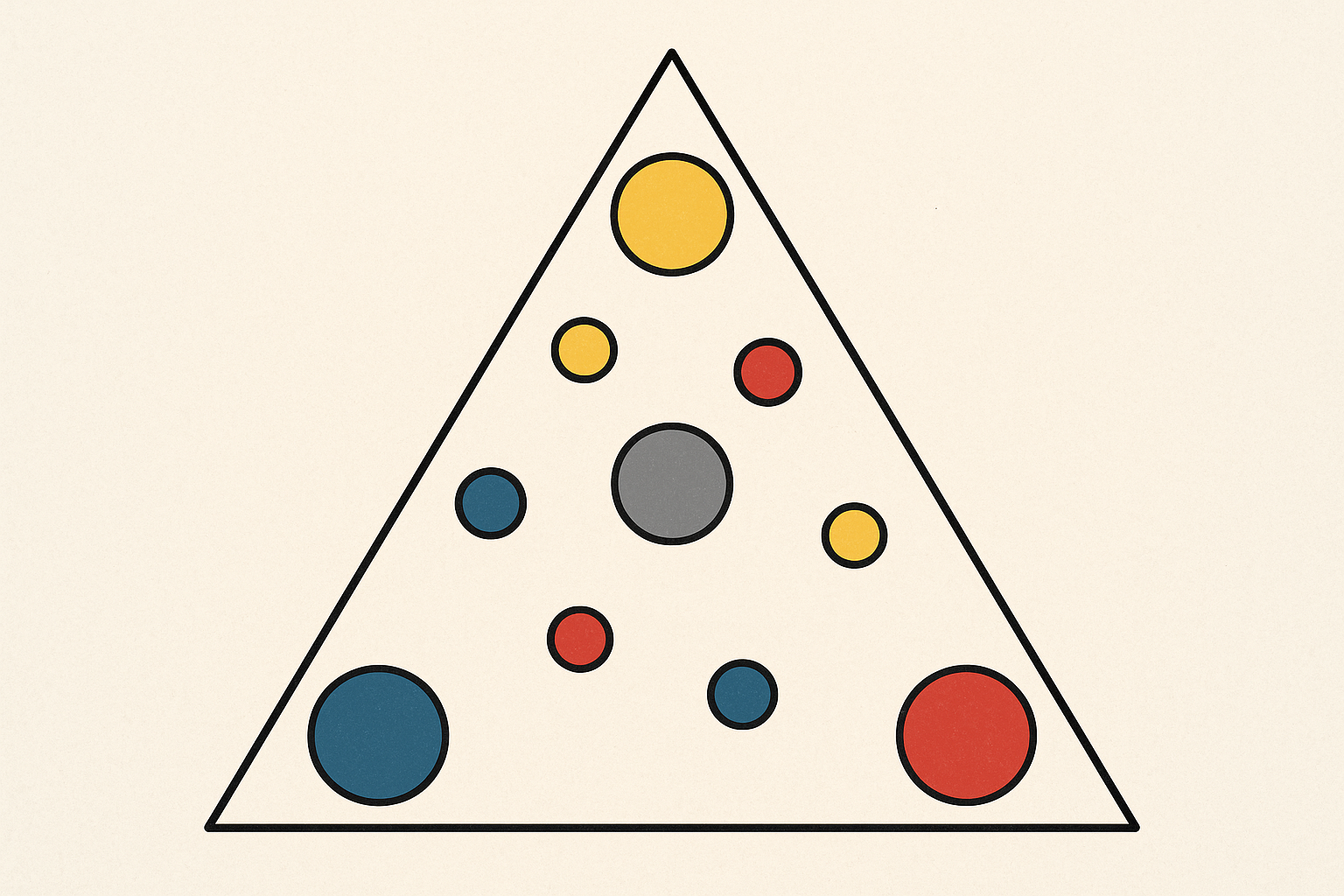
Snee & Marquardt (1976): Screening Designs for Mixture Experiments
-
Using Mixture–Process Variable Experiments: A Rocket Propellant Case Study

-
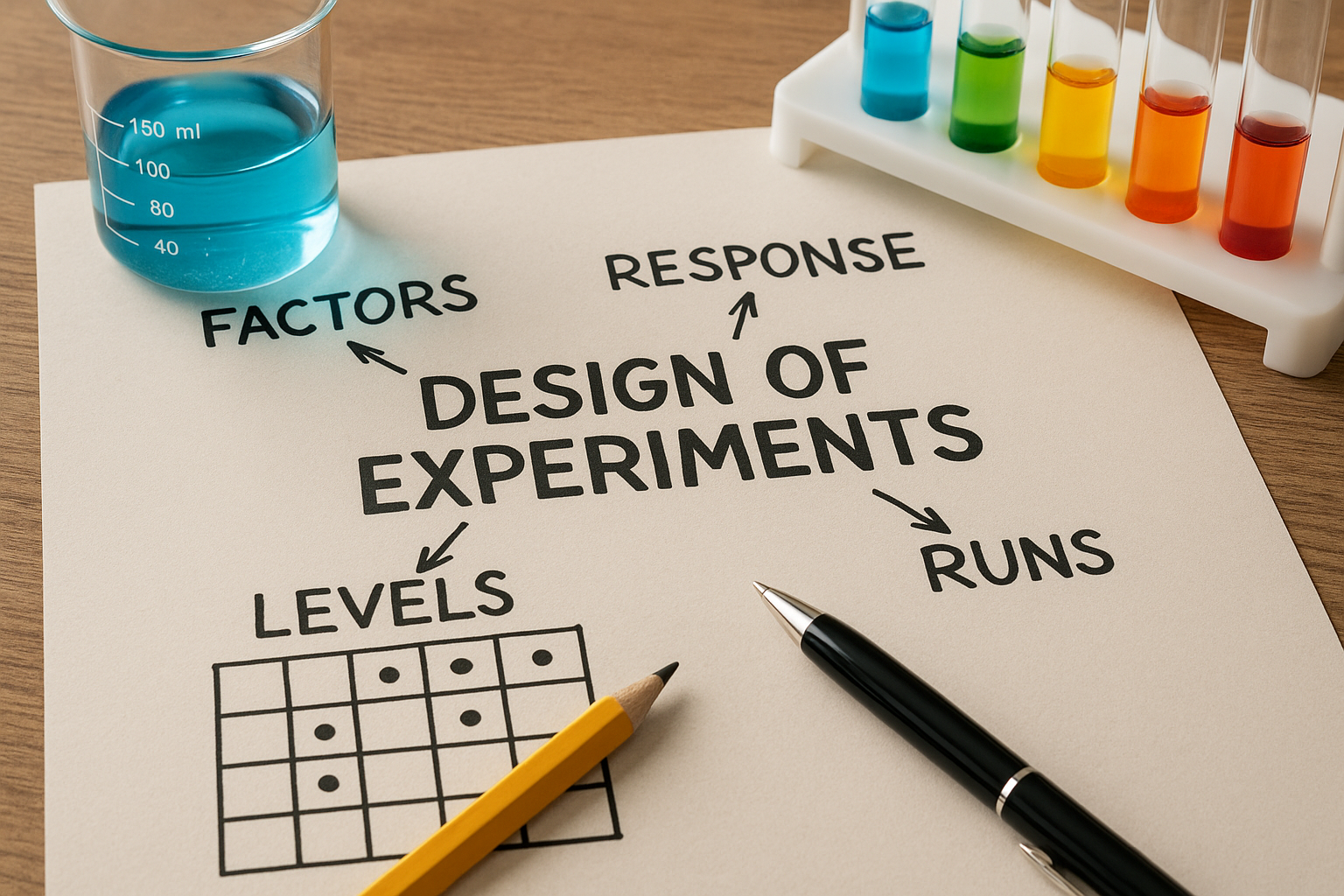
Design of Experiments explained
-
Design Success with DoE
Product Development Engineers Ltd When developing a new product, guesswork is costly. At Product Development Engineers Ltd, we help businesses around the world innovate smarter using advanced Design of Experiments (DoE) techniques. 🔍 What’s covered in this video: 🧠 Why DoE matters: Design of Experiments accelerates product development by reducing trial-and-error. It brings structure, speed,…
-
Constrained Regions Mixture Design Test Plan
-
Unconstrained Simplex Lattice Design
-
Cornell’s famous fish patty experiment
Cornell’s famous fish patty experiment refers to an experiment carried out by John A. Cornell, a leading figure in the development of mixture designs, a branch of Design of Experiments (DOE). The experiment has become well-known as an illustration of mixture designs in food product development. Background of the Experiment John A. Cornell used this fish patty experiment…