Design
-
EN 1299:1997 + A1:2008 — Vibration Isolation of Machinery

Why this standard matters Vibration from machinery can travel into floors, frames, and building structures, creating problems that range from nuisance and noise to measurement errors, premature wear, and disturbance to adjacent processes. EN 1299:1997 + A1:2008 exists to make source isolation practical and reliable by defining the information that must be exchanged between the…
-
Lateral Torsional Buckling Explained
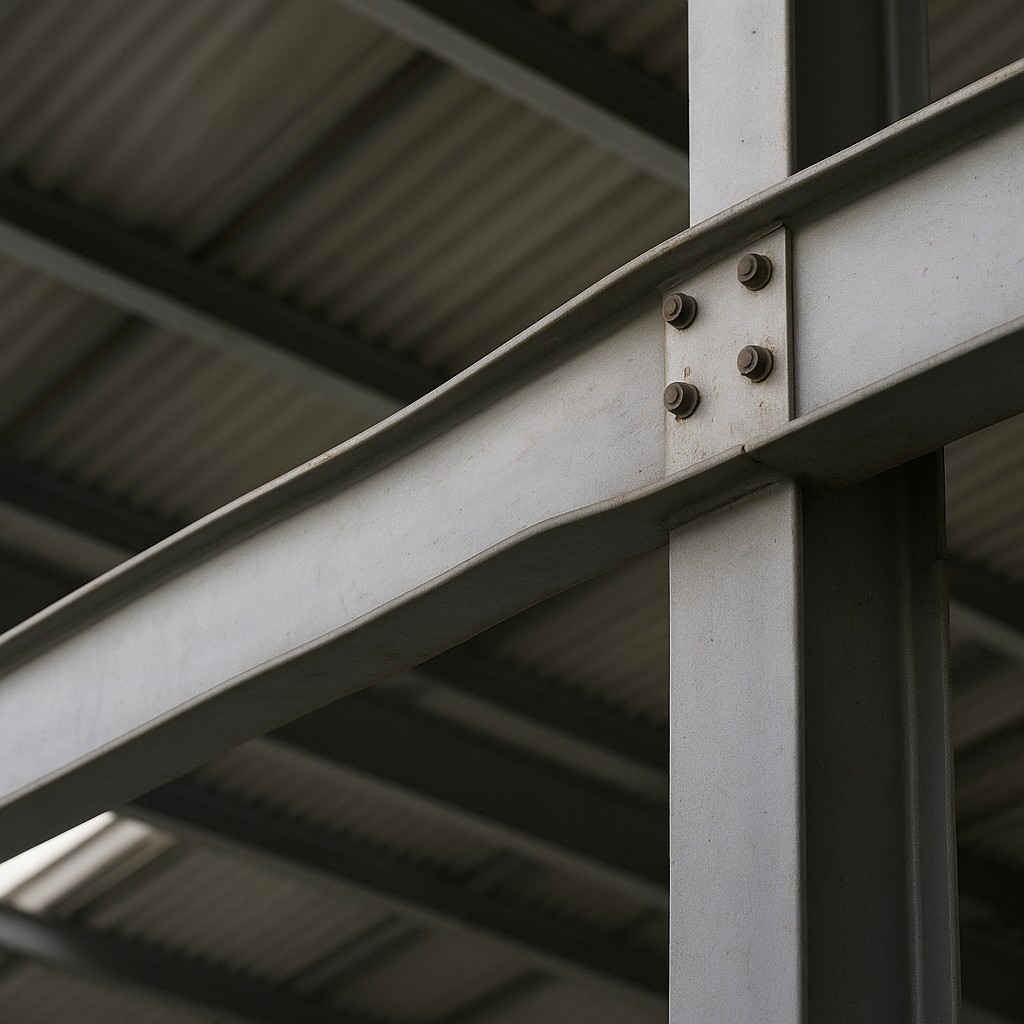
Lateral torsional buckling (LTB) is a stability phenomenon that affects slender beams subjected to bending. It occurs when a beam, instead of simply bending about its major axis, experiences simultaneous lateral displacement and twist, leading to a sudden out-of-plane failure. Understanding and preventing LTB is critical in the design of steel and aluminium structures where…
-
Engineering support at your fingertips

When engineering teams are under pressure, the right support makes the difference Across manufacturing and engineering businesses worldwide, internal engineering teams are under sustained pressure. Projects are becoming more complex, regulatory expectations continue to increase, and experienced engineers are difficult to recruit and retain. The issue is rarely a lack of work. More often, it…
-
Engineering Design Insights from TRIZ: Segmentation, Taking Out, Local Quality, Asymmetry, and Merging

-
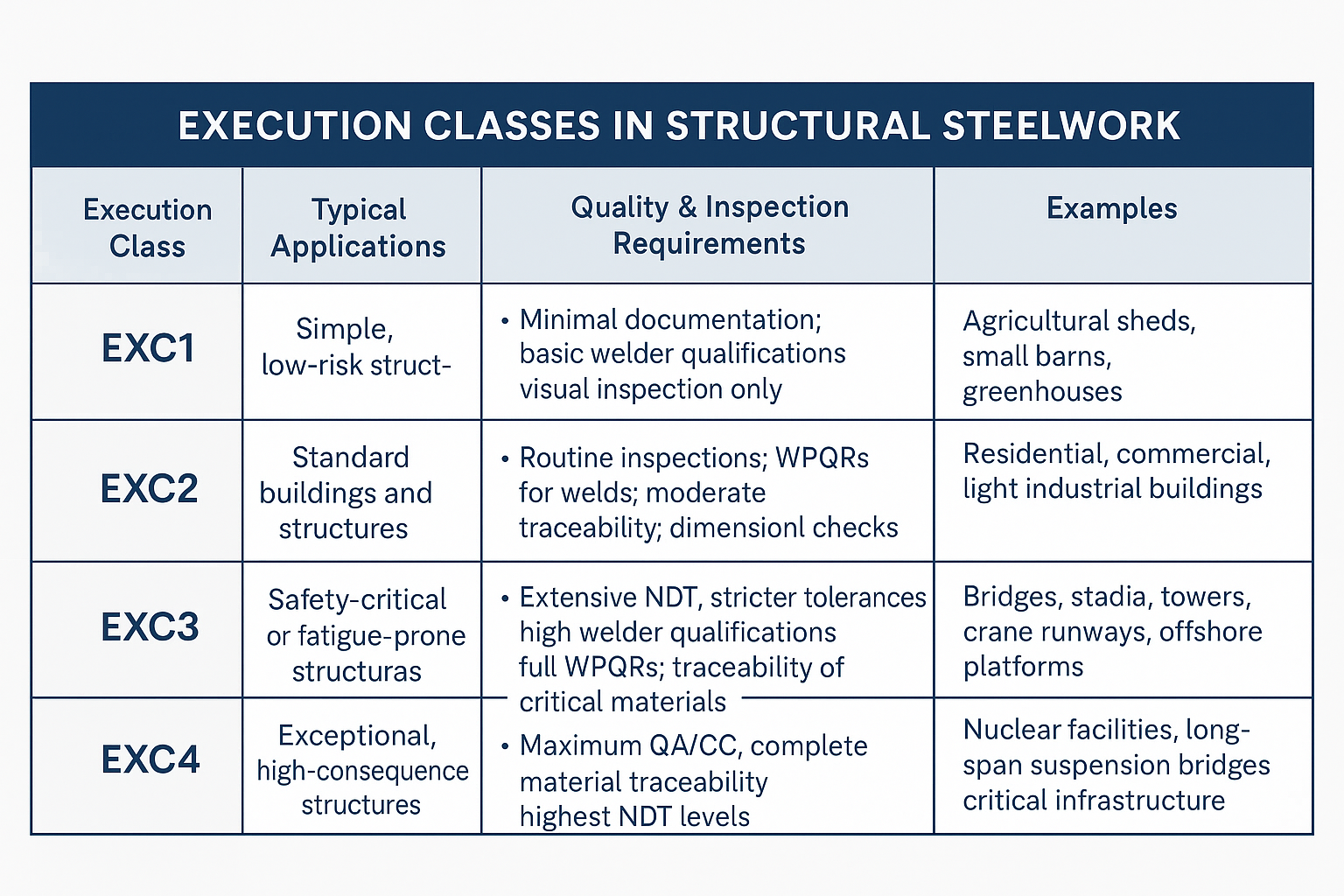
Execution Classes in Structural Steelwork
-
TRIZ Methodology: A Practical Guide to Systematic Innovation

-
Understanding EN 1993-6: Designing Crane Supporting Structures to Eurocode Standards

EN 1993-6 is the Eurocode standard for designing safe, fatigue-resistant steel crane supporting structures. This post explains key load combinations, buckling checks, and practical equations to keep your overhead runways compliant and reliable. Essential reading for engineers working with industrial cranes and lifting operations.
-
Simple Connections – the SCI Green Book explained

-
Strain-Life Fatigue Analysis explained

-
Linear Elastic Fracture Mechanics LEFM explained
