Compliance
-
EN 1299:1997 + A1:2008 — Vibration Isolation of Machinery

Why this standard matters Vibration from machinery can travel into floors, frames, and building structures, creating problems that range from nuisance and noise to measurement errors, premature wear, and disturbance to adjacent processes. EN 1299:1997 + A1:2008 exists to make source isolation practical and reliable by defining the information that must be exchanged between the…
-
Engineering support at your fingertips

When engineering teams are under pressure, the right support makes the difference Across manufacturing and engineering businesses worldwide, internal engineering teams are under sustained pressure. Projects are becoming more complex, regulatory expectations continue to increase, and experienced engineers are difficult to recruit and retain. The issue is rarely a lack of work. More often, it…
-
Hazard Identification and Analysis for Machinery under ISO 12100 and EN Standards
-
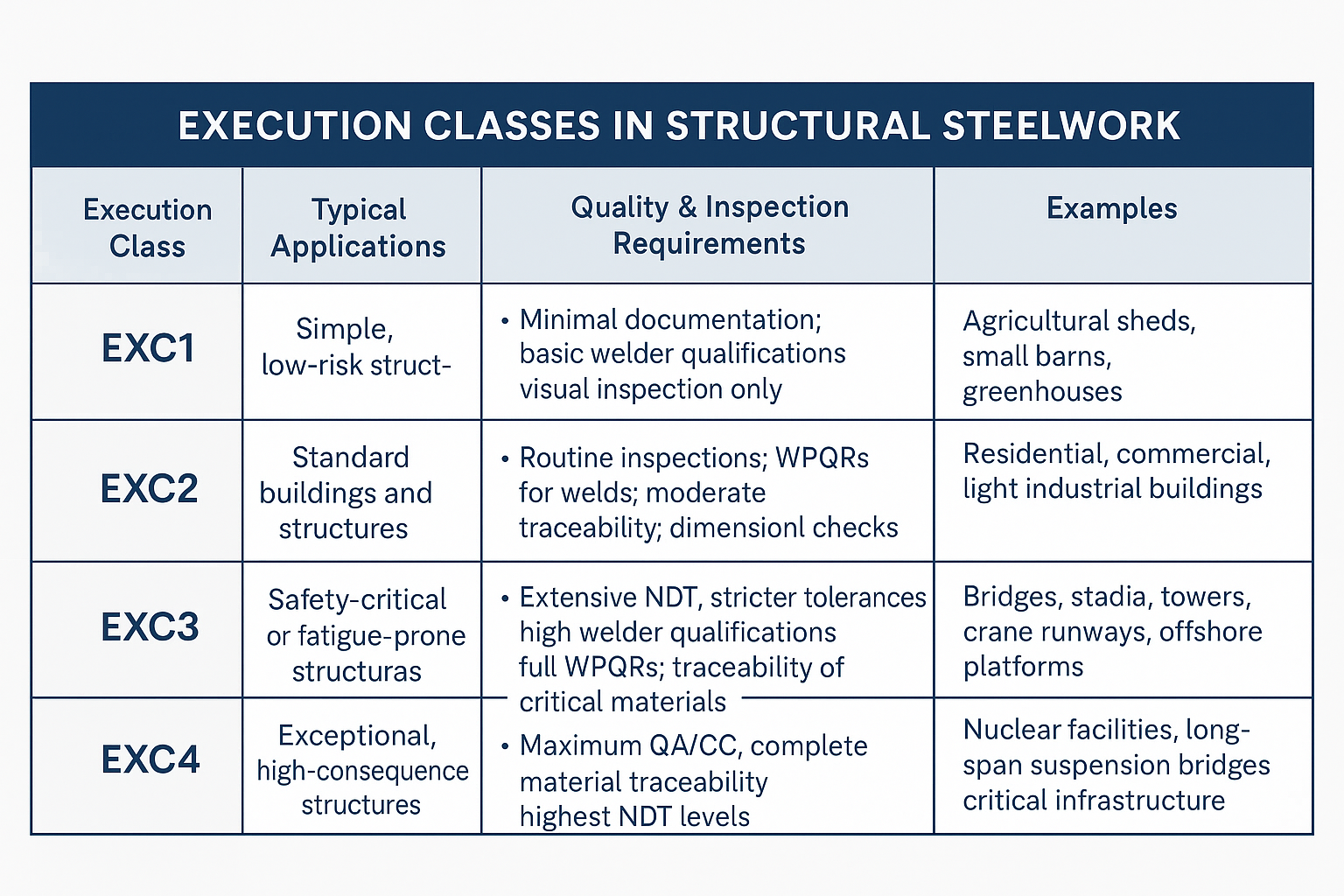
Execution Classes in Structural Steelwork
-
Best Practice for Machinery Risk Assessments (CE and UKCA Compliance)

Make machinery safety watertight: this in-depth guide shows how to run ISO 12100 risk assessments, apply harmonised EN standards, and achieve CE/UKCA compliance. Includes step-by-step process, real-world examples and checklists for hazard identification, risk reduction and verification—practical, defensible and audit-ready.
-
EN 547-1:1996+A1:2008 explained
Understanding EN 547-1:1996+A1:2008 – Human Body Measurements for Machinery Access EN 547-1:1996+A1:2008, titled “Safety of machinery – Human body measurements – Part 1: Principles for determining the dimensions required for openings for whole body access into machinery”, is a key European standard developed to ensure the safe and ergonomic design of machinery access openings. This standard…
-
EN349:1993 explained
🔧 EN 349:1993 – Safety of Machinery – Minimum Gaps to Avoid Crushing of Parts of the Human Body EN 349:1993 is a harmonised European standard that specifies minimum safe gaps to prevent parts of the human body from being crushed between moving machine parts or between moving and fixed elements. It provides design guidance based on human…
-
BS EN ISO 12100 explained
BS EN ISO 12100:2010 – Safety of machinery: General principles for design – Risk assessment and risk reduction is a key European standard that provides a structured approach to ensuring the safety of machinery throughout its lifecycle. It is harmonised under the Machinery Directive 2006/42/EC, making compliance with it important for achieving CE marking in the…
-
ALARP in machinery risk assessments
Demonstrating that risks are ALARP (As Low As Reasonably Practicable) in a machinery risk assessment involves several key steps, including risk identification, evaluation, mitigation, and justification. Here’s a comprehensive approach to effectively show that risks have been reduced to ALARP: 1. Identify Hazards and Assess Risks 2. Implement Risk Mitigation Measures 3. Evaluate Residual Risk 4. Demonstrate ALARP Justification…